What AFCON says about the youth of Africa
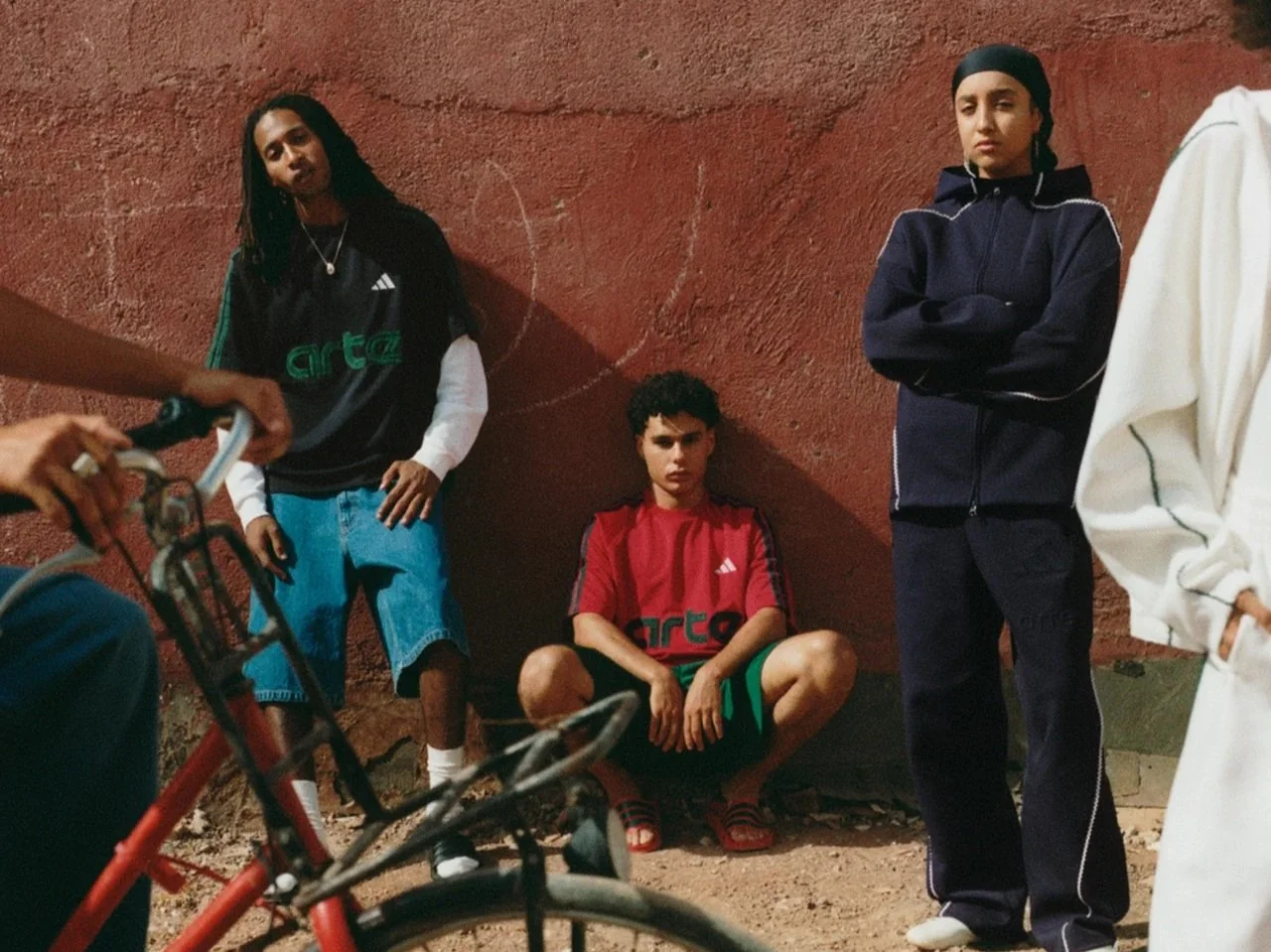
Arte Antwerp x Adidas collaboration shot by Ilyes Griyeb
Setting in Morocco this year, AFCON represents far more than football. It becomes a moment of unity, culture, and connection, where the continent and its diaspora meet, and where shared identities take shape beyond the game.
AFCON is more than a football tournament. It is one of the rare moments where Africa feels fully reunited. For a few weeks, everything else feels secondary. Differences fade, arguments pause, and there is a rare sense of unity. Online, in the streets, in everyday conversations, the same energy keeps coming back. People show up with their flags, their accents, their music, their jokes. Cultures cross naturally. It turns into a shared moment that means much more than football.
This year, AFCON taking place in Morocco carries a strong symbolism. As a North African country hosting the tournament, Morocco becomes a real crossroads. It connects the continent to its diaspora, to Europe, to the Middle East. Teams themselves reflect this reality, with players coming from everywhere, shaped by multiple geographies and identities, yet united under one flag. It is a reminder that African youth culture is fluid, layered, and constantly moving.
Brands are starting to pay attention to this energy. Slowly, investments and cultural interest are growing. We see it with Puma through Marseille, Nike hosting events around the stadium, collaborations emerging in Dubai with brands like Precious Trust and across the world. More recently, Adidas partnered with Arte Antwerp on a project honoring the influence of North African football culture. These initiatives show that African aesthetics and stories are no longer peripheral. Even if the focus still leans heavily toward diaspora audiences, it feels like the beginning of a wider shift.

Air Afrique x Nike
At the same time, young creatives want to be part of it. Whether they are based on the continent or abroad, photographers, designers, filmmakers, writers are eager to contribute, document, and shape these moments. AFCON becomes a space for expression, visibility, and connection, not just for sport. This energy also shows up in cities across the diaspora. In Paris, London, or Amsterdam, collectives are hosting watch parties, setting up fan zones, and creating cultural spaces around the competition. The games become an excuse to gather, connect, and celebrate together. AFCON exists beyond the stadiums, living in cafés, community spaces, and creative venues, carried by the people who make room for it.
The real question is what happens after the tournament ends. How do we keep this same energy alive once the games are over ?How can we strengthen the ties between the continent’s youth and the diaspora? AFCON proves that African youth know how to come together. The challenge now is making sure this sense of unity and collaboration lasts beyond the pitch.
