Celebrities are the new creatives.
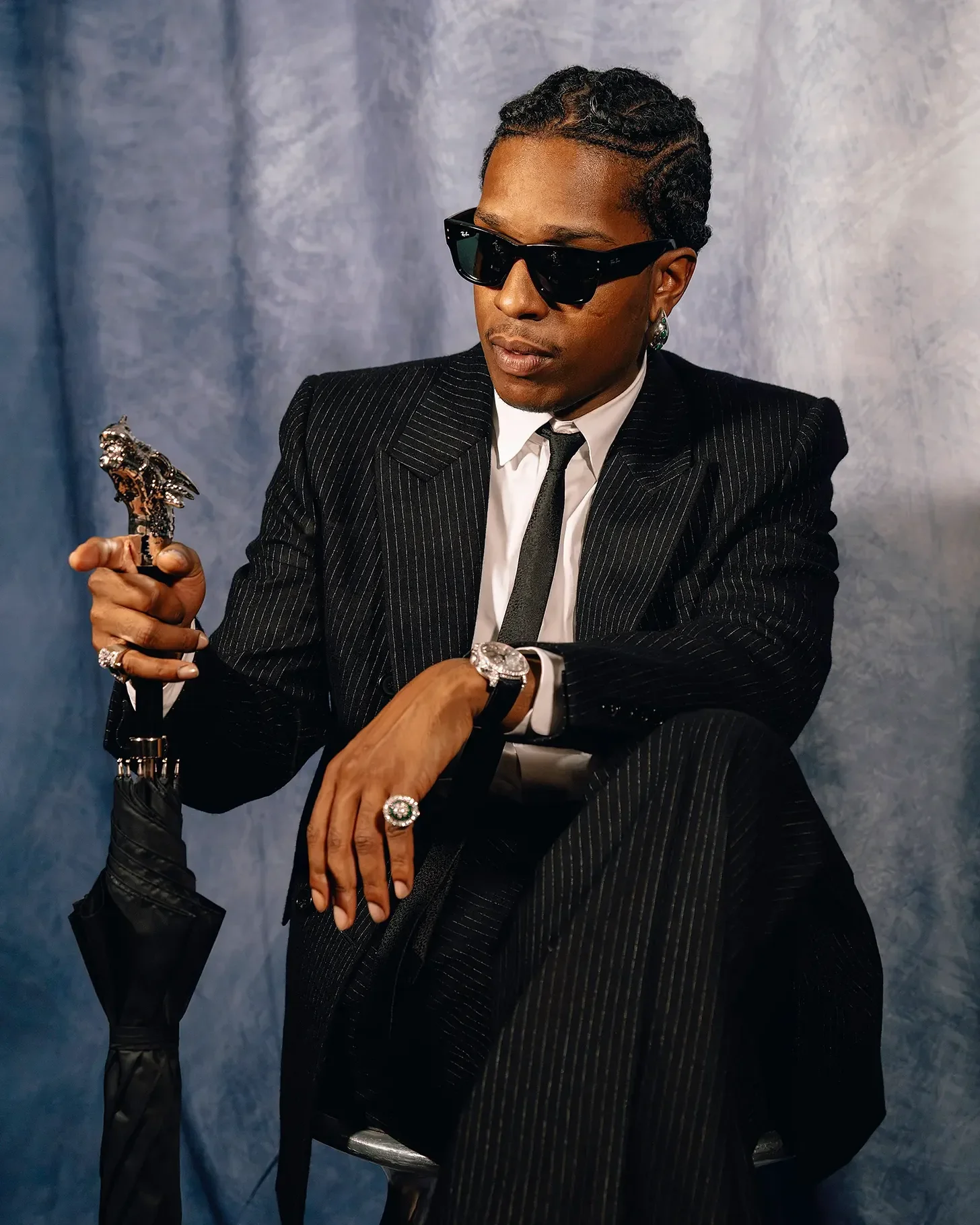
Courtesy of RayBan
The news is all over our Instagram feeds: shot in a dreamy scenery, a 1-minute video introduces SZA as the new creative director of Vans.
This is just the latest in a long line of celebrities stepping into the creative director chair: A$AP Rocky at Ray-Ban, Pharrell Williams at Louis Vuitton, Kendrick Lamar structuring his own agency.
I can’t help but think back to that viral clip of Ye, shaking his head at Lady Gaga’s appointment at Polaroid: “I love some of the Gaga songs, but what the f** does she know about cameras?” Honestly, kinda the same. But then again, as a huge SZA fan and a nerd strategist, I see why Vans chose her. She has always embodied this earthy, child-like, free-roaming aesthetic, like a kid running around with bruises on her knees, California sunburned, not afraid to get messy. That’s exactly the spirit Vans has carried since its skateboarding roots. She perfectly fits the image of the brand. But wait, doesn’t that just make her the ultimate face, an égérie, rather than an actual creative director?
Kanye West at Zane Lowe BBC Radio Interview (2013)
Rocky at Ray-Ban is similar. He’s literally wearing the shades at his trial, promoting the brand even in the darkest times of his life. It’s branding written into his own story. Kendrick is a different case: his collaboration with Dave Free gave birth to PGLang, which has always been more than music. They’ve directed videos, produced ads, and shaped a visual identity tight enough to evolve into a creative agency (Project 3). That feels closer to “creative direction” than just lending a name.
But this shift didn’t start yesterday. LVMH cracked the code when they hired Virgil Abloh. Virgil was a designer and architect, yes, but he was also a name : someone who blurred the lines between underground credibility and mainstream celebrity. Putting Pharrell at Vuitton was the logical continuation: another American polymath with clout, aesthetic taste, and cultural capital. Yet fashion purists are still side-eyeing every collection, questioning whether celebrity charisma can replace the years of craft and vision the job is supposed to demand.
And that’s the core of it. Because creative direction isn’t just moodboards and vibes. It’s vision, narration, longevity. It’s the ability to create a message, build a world, and lead a team through it. Rick Rubin once said he is a music producer with no technical abilities, he just has great ideas and finds the confidence to get paid for them. But even Rubin spent decades cultivating that reputation. For emerging creatives without fame, the ladder looks almost impossible when the shortcut of celebrity exists.
The frustration mirrors what’s happening in journalism. Influencers like Emma Chamberlain hosting the Met Gala carpet year after year, or Lena Situations suddenly fronting the Césars and the Oscars for Disney+. On one hand, it’s amazing : these are self-made figures who built platforms from scratch. On the other, they’re taking opportunities that, for years, were only accessible to trained journalists who fought for a spot on that red carpet. It’s the same existential question: why study, why grind, if fame opens all doors?
Because at the end of the day, it’s not just about creativity, it’s about scale. For brands, hiring a celebrity as creative director is a double win: they get an aesthetic and an audience. A$AP Rocky doesn’t just design a pair of sunglasses, he brings millions of fans who will watch, share, and buy them. SZA doesn’t just sketch ideas, she turns every campaign into a cultural moment because her face, her aura, her Instagram feed already carry more reach than any anonymous creative ever could. For global companies operating in a hyper-saturated market, that immediate visibility is priceless.
At the same time, we can’t fully dismiss celebrity creatives. Some of them do have the chops. Tyler, the Creator is the clearest example: he’s not just a rapper, he’s a world-builder. From Golf le Fleur to the Camp Flog Gnaw carnival, from set design to fashion lines, he’s consistently expanded his aesthetic across mediums. If Converse named him creative director tomorrow, he’d have the résumé to back it up. But who decides who is “legit” and who isn’t? What even defines legitimacy now?
And maybe that’s the real point. We’ve entered an era where brands don’t just sell products, they sell stories. And celebrities, whether it’s SZA, Rocky, or Pharrell, already come with stories attached, ready-made mythologies that people want to buy into. The danger is when the role of creative director gets hollowed out into just storytelling clout, rather than vision, craft, or community building. The opportunity is when a celebrity actually uses that platform to create space for other creatives, to push aesthetics further, to tell deeper stories.
So the question isn’t “do celebrities deserve these jobs?” The question is: what happens to creativity when clout and vision are treated as the same currency?
written by Lyna Malandro
