If we are being honest… Calisthenics is the new cool sport
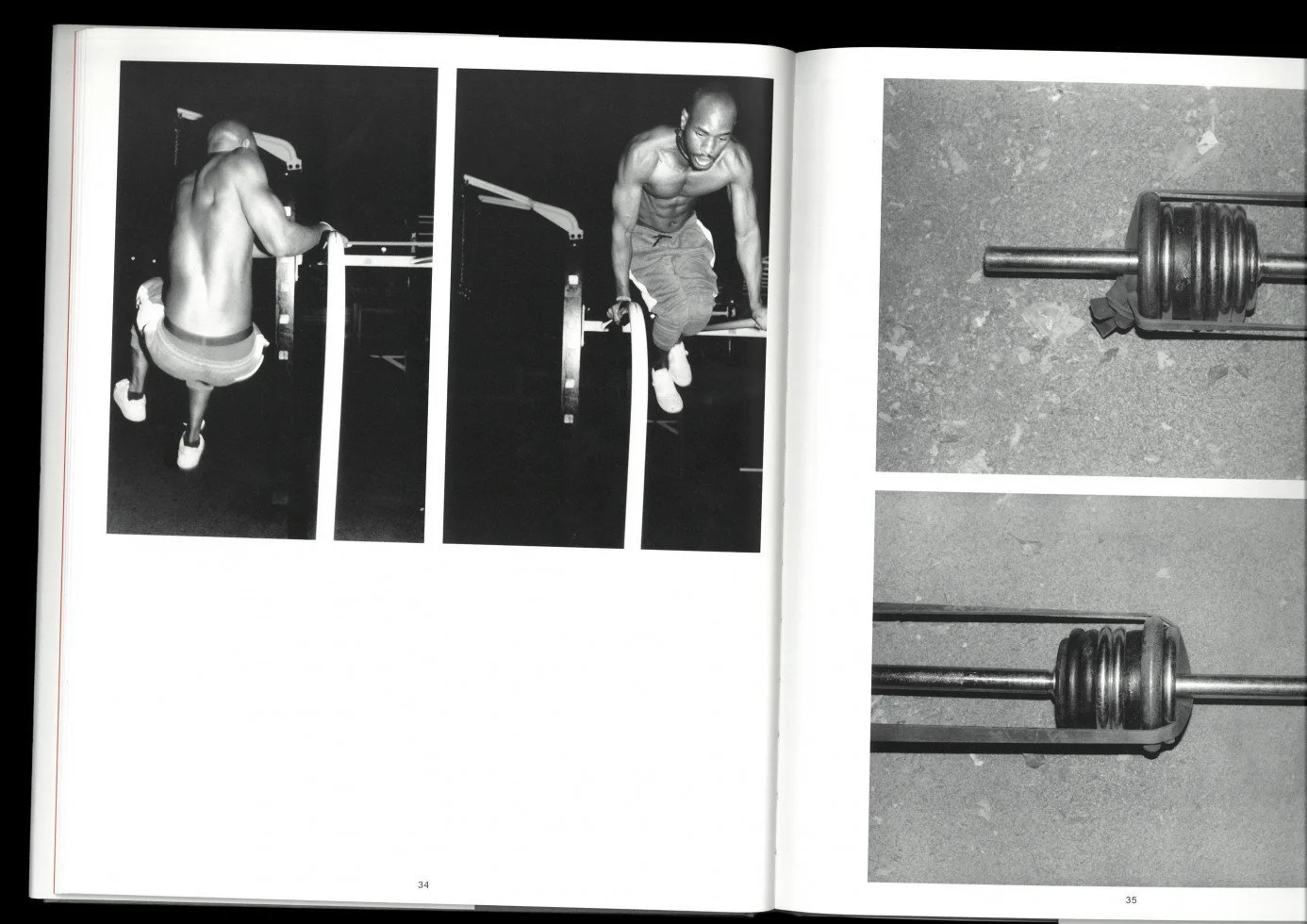
credits : Marine Peixoto
Calisthenics is having a moment. The same way run clubs dominated the post-pandemic years, a new wave is rising around pull-up bars, public parks, rooftops and street corners. And if you spend time between London, Paris and Marseille, you start noticing the same pattern. The sport isn’t trending because brands decided it should. It’s trending because it brings something people have been missing: community, accessibility and a sense of belonging grounded in real life.
Calisthenics, at its core, is the art of training with your own bodyweight. No machines, no equipment, no gym. Just strength, balance and control built through movements like pull-ups, push-ups, dips, handstands and muscle-ups. It sits somewhere between gymnastics, street workout and dance. What makes it unique is how it turns public space into a training ground. A set of bars becomes a gym, a bench becomes a tool, a wall becomes support. It is physical, but also social. You learn from watching others, copying, trying again, failing again, being encouraged, learning technique, improving slowly. It is a discipline built on repetition, community and creativity, not on machines or performance metrics.
In London, crews like PNP Fitness are leading the movement. They train outside in any weather, often late at night or early in the morning, surrounded by friends who shout encouragement or correct each other’s form. PNP is not a gym. It’s a crew with its own codes, discipline and identity. When Nike tapped them for its Tech Pack campaign, the video reached over a million views in twenty-four hours. The film felt raw and real because it mirrored a culture already existing outside. Nike didn’t create the trend. It simply aligned with something already alive in the city.
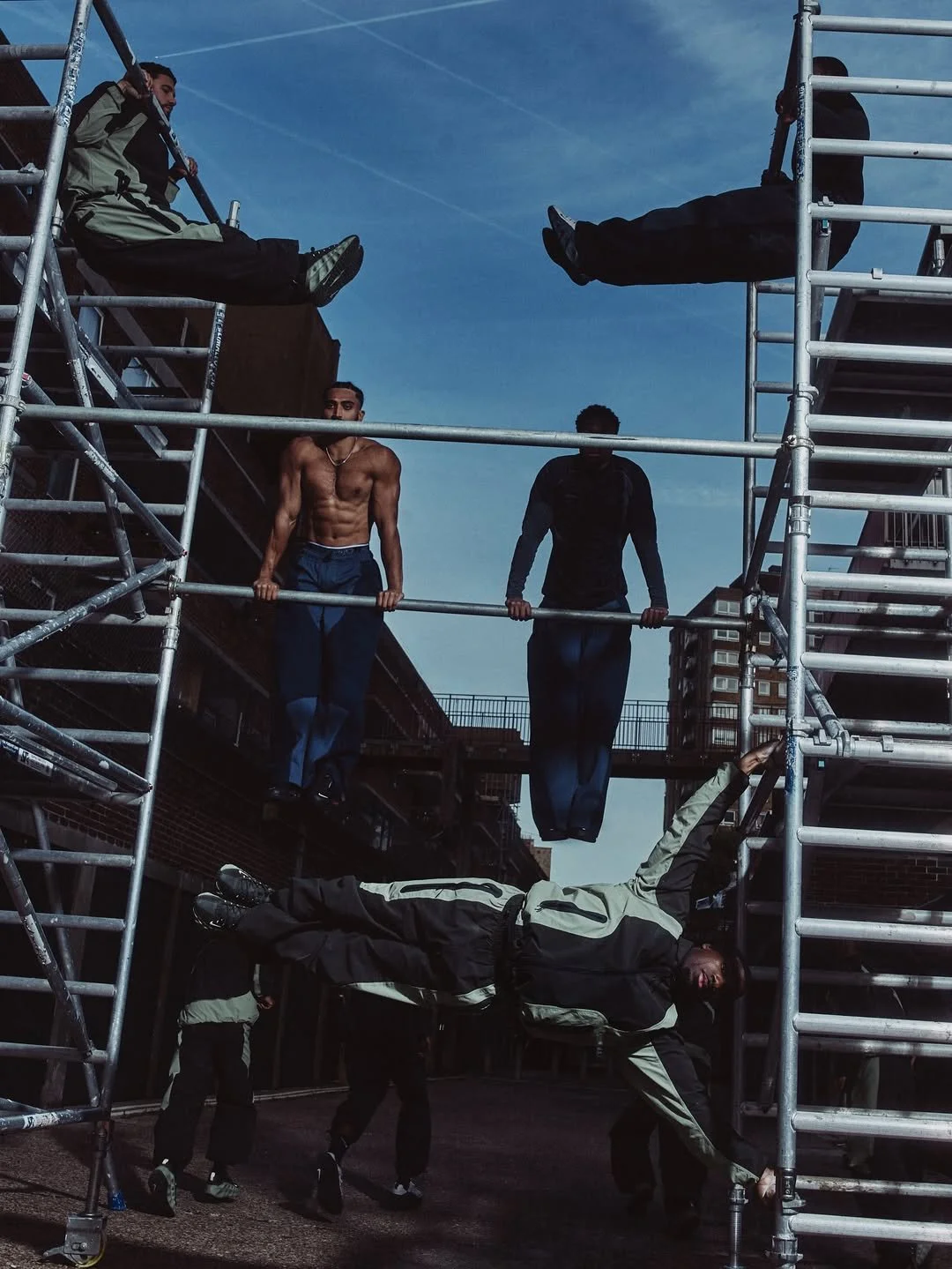
Credits : PushNPull/Nike
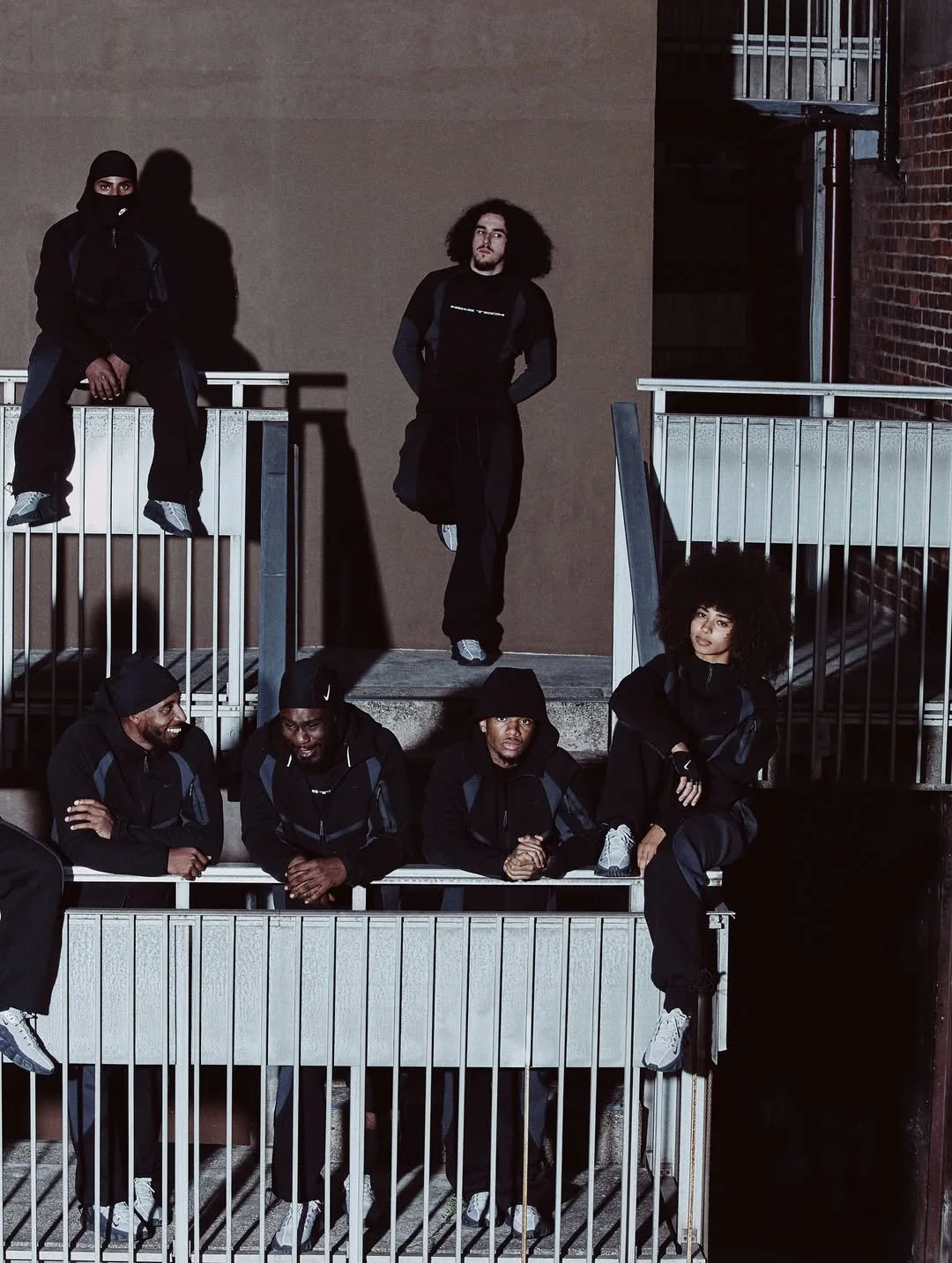
Credits : PushNPull/Nike
Paris tells another story, shaped by both admiration and misunderstanding. Street Workout Bercy is probably the most iconic calisthenics spot in France. Every day, dozens of young men gather to train, film, compete, support each other, laugh, argue and build routines together. Earlier this year, a video of masked athletes “intimidating” tourists sparked a media controversy and turned Bercy into a national talking point. But the viral clip only showed a tiny part of the reality. Most of the men who train there are respectful, welcoming and kind. Many grew up with difficult life paths, and this public space became their anchor. For them, Bercy is not a stage for intimidation. It is a meeting point, a rhythm, a form of community in a city that rarely gives young men public spaces to belong to.
Within that same Parisian scene, new groups like NotFoundMentality show how structured the practice has become. It is no longer just about doing pull-ups in a park. It is about identity, discipline and collective progress. Crews build programs, share knowledge and mentor each other. For many, the street became the gym simply because the gym was never meant for them.
Further south, Marseille adds yet another layer to the story. The short film ALI from NOWNESS follows Ali, a young athlete who practices freestyle calisthenics across the city. Beaches, rooftops, empty parking lots become his training ground. The film captures the poetry behind the strength. Calisthenics isn’t just physical intensity. It is precision, calm, repetition, humility. It is a way of shaping yourself in a city that is both chaotic and alive. Ali’s movements show something the outside eye often misses: this discipline is not about showing off. It is about control, grounding and surviving with dignity.
What makes calisthenics so appealing today is its simplicity. It is one of the most accessible sports in the world. You don’t need a membership or expensive equipment. You don’t need to look like an athlete to begin. You show up with your body, find a bar in a park and start learning. In a moment where gyms feel overpriced and urban life feels isolating, calisthenics offers freedom. Anyone can join. Anyone can progress. Anyone can be part of a crew.
It is also extremely visual. A clean handstand, a slow muscle-up, a suspended human flag, the rhythm of a community training together. These images travel fast. And brands understand the power of that. Nike’s partnership with PNP made sense because the aesthetic already existed long before the campaign. In New York, the brand Energy has designed apparel specifically for calisthenics and now hosts events that gather huge crowds. Brooks has supported some of these activations, revealing a clear industry trend: community-driven sports are the future.
The renewed popularity of calisthenics mirrors the rise of run clubs a decade ago. As says Daniel-Yaw Miller in his newsletter SportsVerse, “the run club boom became oversaturated. Every single brand “activation” soon began to include some kind of run club […] Now, the cool kids are shifting their focus onto an adjacent activity: calisthenics. Smart brands are not far behind them”. Running was once niche and then became a cultural movement thanks to its community dimension and accessibility. But calisthenics brings something different. It carries the energy of the street. It has an edge, an underground history and a social truth. It belongs to people who are rarely given space. It belongs to those who create something from nothing.
And now, women are entering the scene as well. More and more female athletes, creators and fitness leaders are stepping into calisthenics, reshaping its image and expanding what strength looks like. Their presence is diversifying a space that used to be hyper-masculine, and it is redefining the visual codes of the practice.
Calisthenics is becoming the new cool sport because it combines everything that resonates today: community, accessibility, discipline, self-expression and a real relationship to the body and the city. No machines. No subscriptions. No artificial narrative. Just movement and people.
Brands did not start this wave. They are simply trying to keep up.
The streets had it first.
